
Modern vehicles have achieved remarkable levels of refinement. Electronic steering systems filter road feedback, adaptive suspensions smooth out rough pavement, and advanced driver assistance technologies handle many aspects of driving automatically. While these innovations improve convenience, they have also created an unexpected consequence. Many enthusiasts now feel disconnected from the driving experience.
This shift explains the growing interest in vehicles that preserve a strong mechanical feel. Classic platforms such as the Defender deliver something increasingly rare in modern automotive design. They provide direct interaction between driver and machine.
Mechanical steering is a perfect example. Instead of relying entirely on electronic filtering, traditional systems communicate subtle changes in road surface and tire grip directly through the steering wheel. Drivers can sense when traction changes or when the vehicle shifts weight during a corner. That feedback builds confidence and engagement.
Manual transmissions contribute to the same experience. Coordinating clutch engagement and gear selection requires attention and rhythm. The process transforms driving from a passive activity into an interactive one. Even small inputs from the driver become meaningful parts of the experience.
Throttle response also plays a role. In many modern vehicles electronic throttle mapping prioritizes efficiency and smoothness. While effective, this can make the vehicle feel distant from the driver’s inputs. Mechanical throttle systems respond immediately, creating a stronger connection between pedal movement and engine behavior.
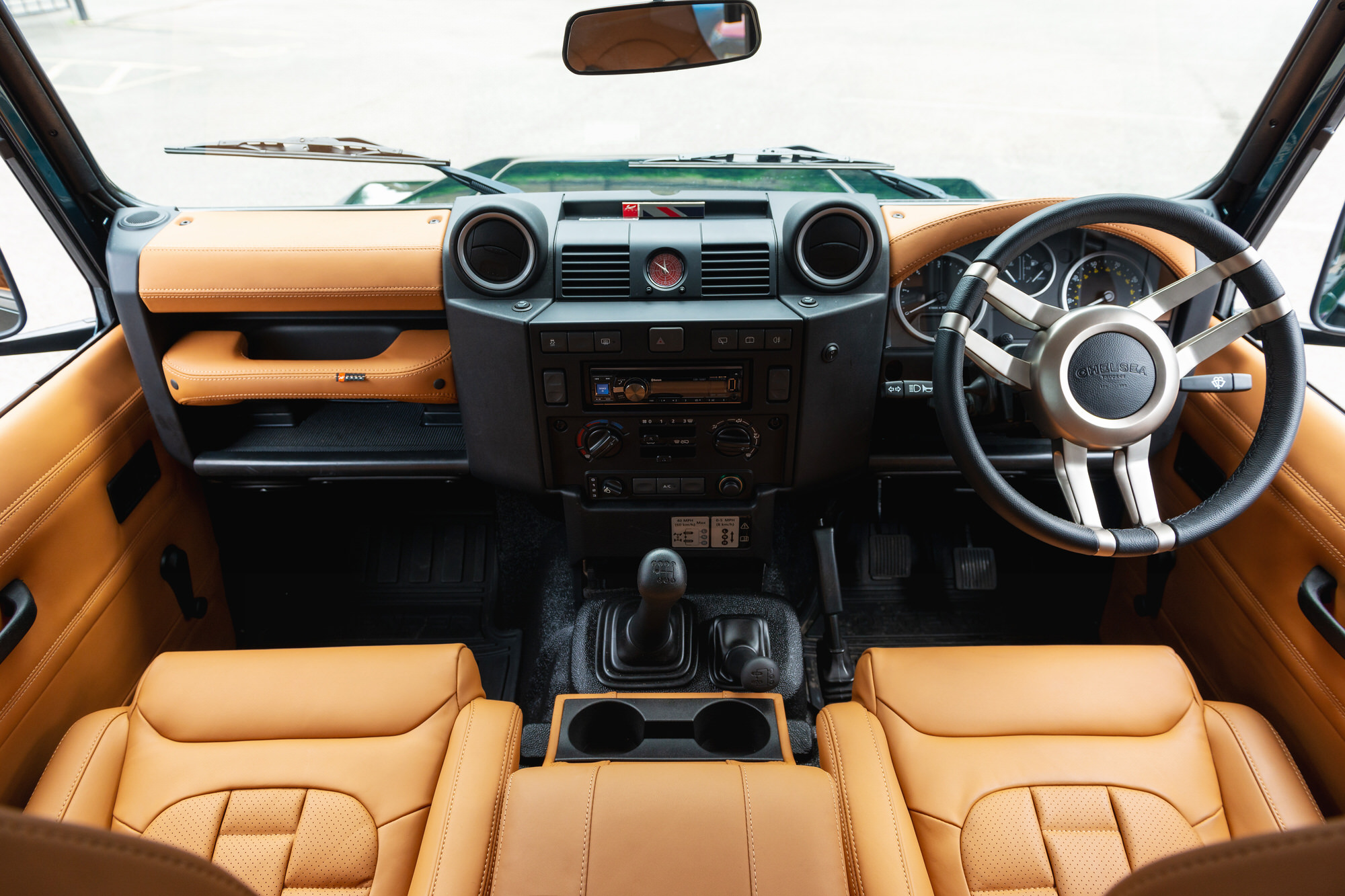
Interior design in analog focused builds often reflects the same philosophy. Simple gauge clusters, physical switches, and tactile materials encourage drivers to interact with the vehicle rather than navigating layers of digital menus. These elements may appear traditional, but they create a more intuitive environment behind the wheel.
The appeal of analog driving is not about rejecting modern technology entirely. Most enthusiasts still appreciate reliable engines, strong braking systems, and thoughtful climate control. The goal is balance. Modern engineering ensures durability and safety, while traditional mechanical systems preserve engagement.
For many owners the driving experience itself becomes the destination. A Defender or other analog inspired vehicle encourages slower, more intentional travel. Drivers pay attention to engine sound, road texture, and vehicle movement in ways that modern automation often eliminates.
As automotive technology continues to advance, the desire for mechanical connection has only grown stronger. Enthusiasts recognize that these experiences are becoming rare. Vehicles that maintain that analog character offer something that cannot easily be replicated by software or digital interfaces.
That is why interest in mechanically engaging vehicles continues to rise. In a world of quiet electric drivetrains and autonomous systems, the simple act of feeling connected to the machine remains one of the most rewarding aspects of driving.