
Specifying a custom Defender begins with a simple question. Where will the vehicle spend most of its time. While the Defender platform can handle nearly any environment, the ideal build looks very different depending on whether the vehicle is designed for overland travel or urban driving.
An overland focused Defender prioritizes endurance and self sufficiency. Suspension setup is often the first decision. Slightly increased ride height paired with quality dampers allows the vehicle to manage uneven terrain without sacrificing control. Tire choice also plays a major role. All terrain tires provide traction across dirt, gravel, and mud while still remaining comfortable during long highway stretches.
Storage and protection are also critical for overland builds. Roof racks, auxiliary lighting, and recovery equipment give the vehicle the ability to travel far from paved roads. Underbody protection plates and reinforced bumpers add durability when navigating trails. These features may not be necessary for daily commuting, but they provide peace of mind during extended travel.
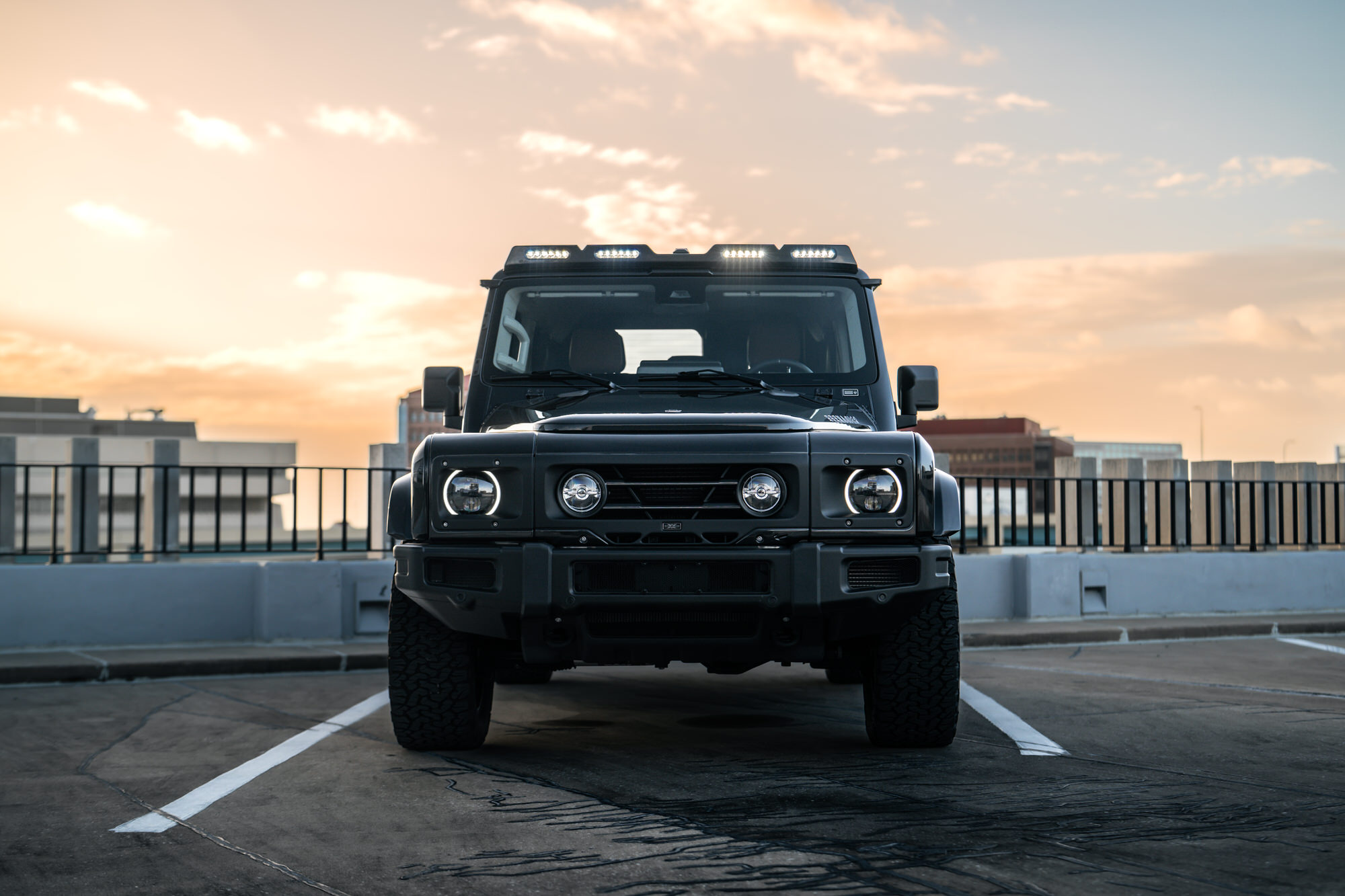
Powertrain selection also matters. Many overland builds prioritize torque and reliability rather than outright speed. Smooth power delivery is far more valuable than high top speed when climbing hills or managing rough terrain. Cooling systems and braking performance are also upgraded to handle heavy loads and long distances.
An urban Defender build takes a different approach. Instead of focusing on expedition capability, the emphasis shifts toward design, ride quality, and everyday usability. Lower profile tires and refined suspension tuning improve handling and comfort on paved roads. The goal is to maintain the Defender’s presence while making it feel composed in city environments.
Exterior styling often becomes the centerpiece of an urban build. Wheel selection, paint finishes, and subtle body details define the vehicle’s personality. Many clients prefer larger wheels with performance oriented tires that enhance stance and visual impact without sacrificing practicality.
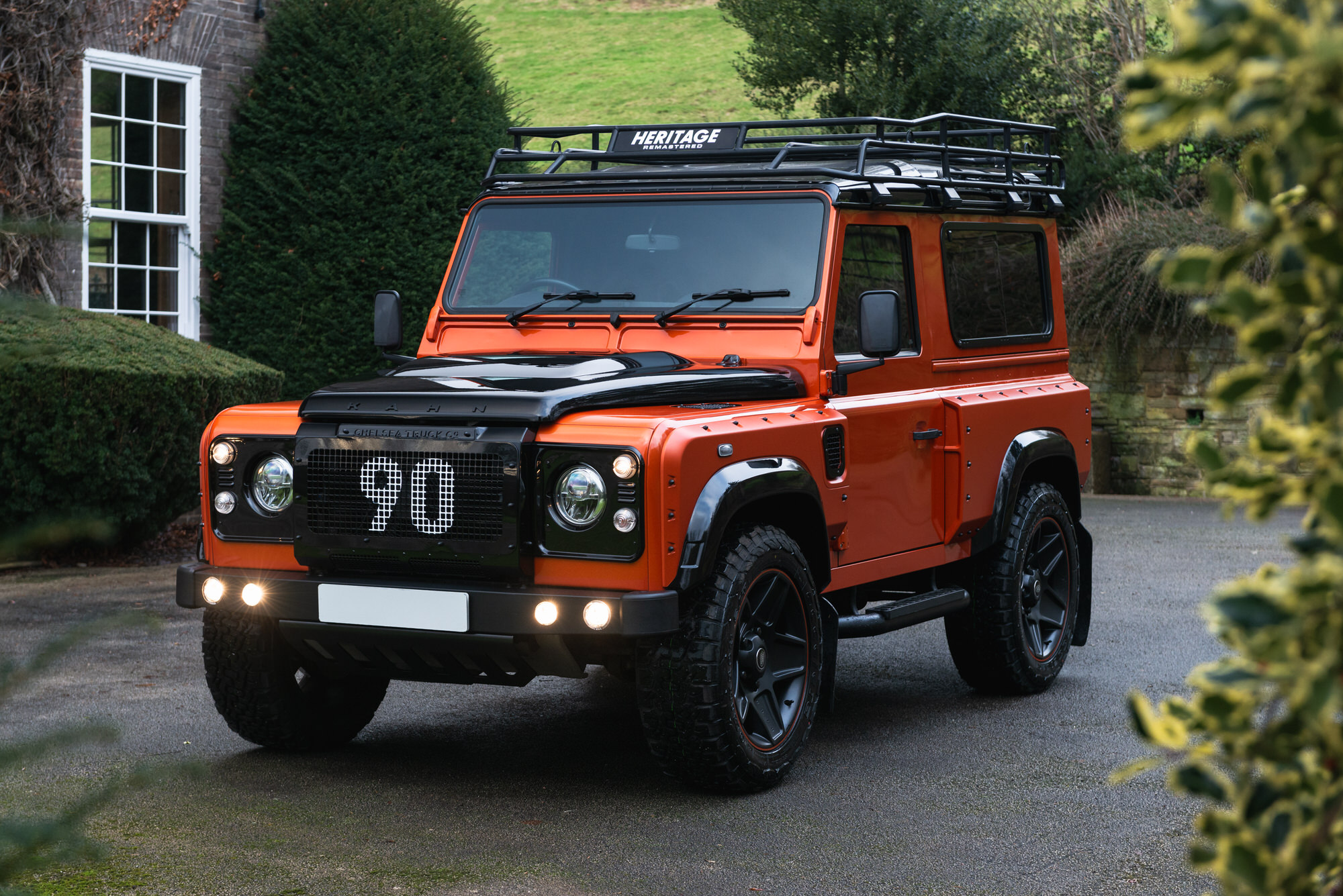
Interior design also receives more attention in city oriented builds. Premium leather, upgraded sound systems, and modern infotainment features transform the cabin into a comfortable daily environment. The Defender’s upright layout and large windows already create an airy driving position, and thoughtful interior choices elevate the experience even further.
The most successful Defender builds are the ones that clearly reflect their intended use. Trying to combine every possible feature often leads to compromises that weaken the overall design. Instead the best approach is clarity. Decide how the vehicle will be used most often and build around that purpose.
Whether configured for remote exploration or urban cruising, the Defender remains one of the most adaptable platforms in the automotive world. Specifying it correctly simply means understanding how the owner plans to experience the vehicle once it leaves the workshop.